Painting a room can seem like a daunting task, but with the right preparation and steps, it can be a smooth and rewarding process. Here’s a straightforward guide to help you paint a room like a pro.
1. Gather Your Materials
Before you start, make sure you have all the necessary materials:
- Paint (calculate the amount needed based on room size)
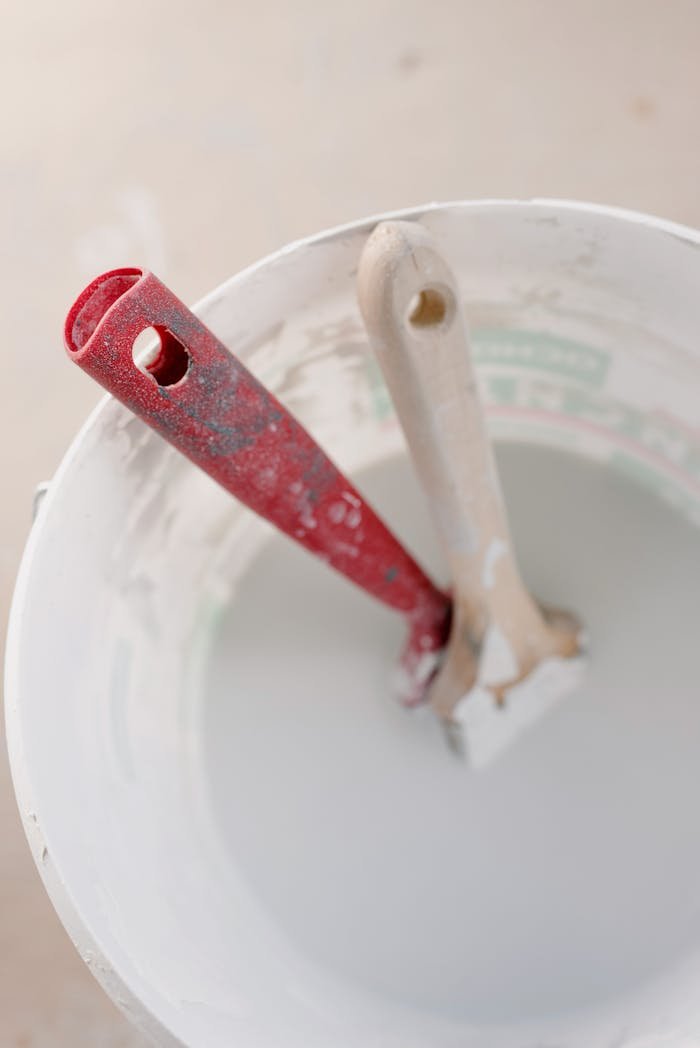
- Paint rollers and brushes
- Paint tray
- Painter’s tape
- Drop cloths or old sheets
- Sandpaper
- Filler and putty knife
- Primer
- Step ladder
2. Prepare the Room
Preparation is key to a good paint job.
- Clear the Room: Remove as much furniture as possible. Cover any remaining furniture and the floor with drop cloths to protect them from paint splashes.
- Clean the Walls: Wipe down the walls with a damp cloth to remove dust and dirt.
- Repair Imperfections: Use filler to repair any holes or cracks in the walls. Once the filler is dry, sand it down until smooth.
- Tape Off Areas: Apply painter’s tape to edges, trim, and any surfaces you don’t want to paint, like light switches and window frames.
3. Prime the Walls
Applying a primer is an important step, especially if:
- You’re painting over a dark colour
- The walls are new and unpainted
- The walls have been repaired
Use a roller to apply the primer evenly across the walls. Let it dry completely before moving on to painting.
4. Paint the Room
Now it’s time to apply the paint.
- Cut In: Start by using a brush to paint along the edges of the room, around windows, doors, and along the ceiling. This technique is called “cutting in”.
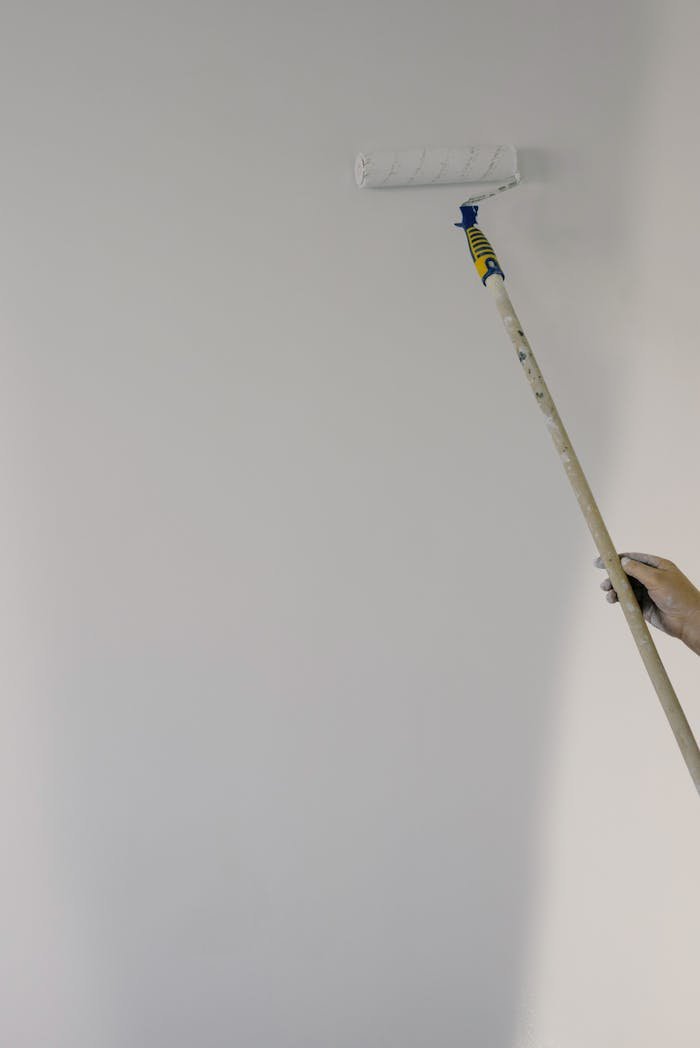
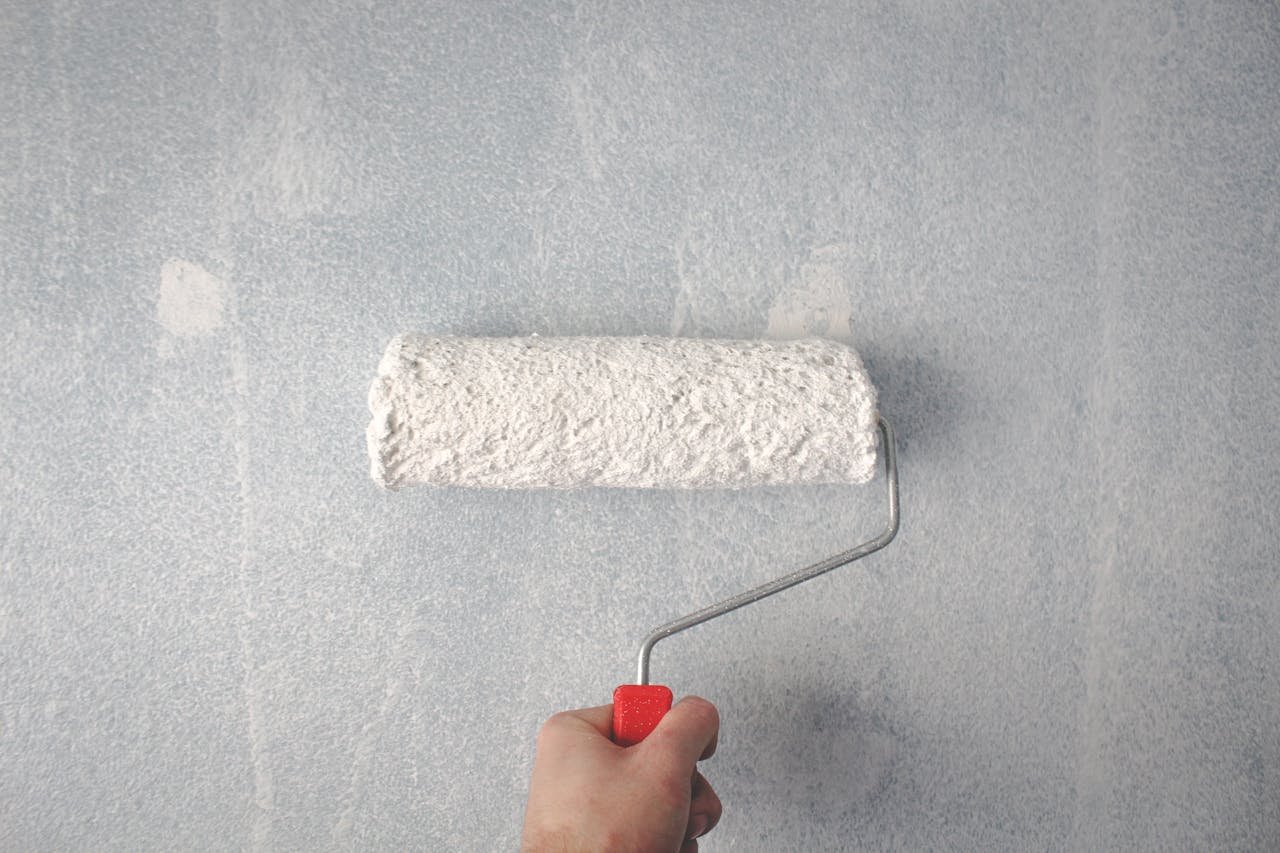
- Roll the Paint: Once the edges are done, use a roller to paint the larger areas. Apply the paint in a “W” or “M” pattern to avoid streaks and ensure even coverage. Work in small sections, blending each section as you go.
- Apply Additional Coats: Most walls will need at least two coats of paint. Allow the first coat to dry completely before applying the second.
5. Finishing Touches
After the paint has dried, it’s time to finish up.
- Remove Painter’s Tape: Carefully remove the painter’s tape while the paint is still slightly wet to avoid peeling.
- Clean Up: Clean your brushes and rollers with water (for latex paints) or the appropriate solvent (for oil-based paints). Remove the drop cloths and put the furniture back in place once the paint is fully dry.
Tips for Success
- Ventilation: Ensure the room is well-ventilated while painting. Open windows and use fans to keep the air circulating.
- Quality Paint: Invest in good quality paint and brushes. They may cost more but will give a better finish and make the job easier.
- Take Your Time: Don’t rush. Allow each coat to dry properly before applying the next.
By following these simple steps, you can achieve a professional-looking paint job and give your room a fresh, new look. Happy painting!